

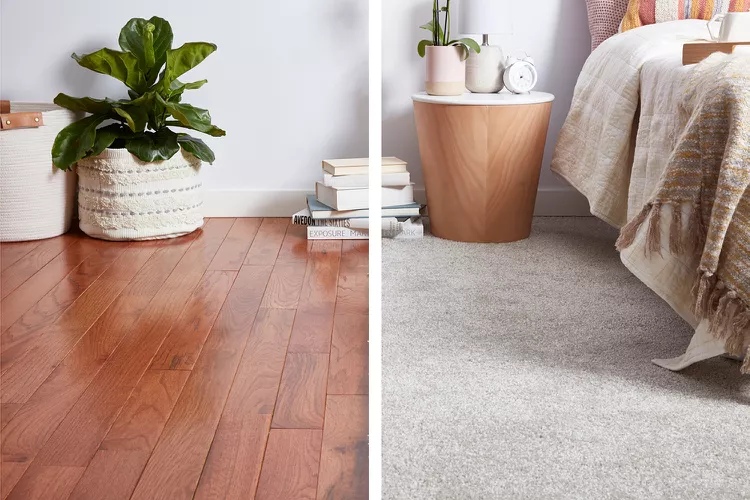
HARDWOOD VERSUS CARPET: THE ULTIMATE FLOORING DEBATE FOR MODERN HOMEOWNERS
When you step into a home, the flooring is the literal and visual foundation of the entire space. It dictates the acoustics, influences the temperature, and sets the stylistic tone for every room. Among the myriad options available, carpet and hardwood remain the two titans of the industry. Yet, they could not be more distinct from one another. One represents a soft, synthetic, and economical solution designed for immediate comfort, while the other is a rigid, natural, and premium investment built to endure for generations.
Deciding between these two surfaces requires looking past surface-level appearances. To make a truly informed choice, you must weigh how each material handles the chaotic realities of daily life, from pet accidents and spilled wine to acoustic echoing and long-term financial equity.
THE CORE MATERIALS EXPLORED
To appreciate how these floors perform, it helps to understand exactly what they are made of and how they are manufactured.
-
Carpeting and Fiber Technology
The vast majority of contemporary carpeting is produced by tufting thousands of tightly spaced loops of yarn into a heavy fabric backing. While natural fibers like wool and cotton offer unmatched luxury and eco-friendliness, they represent a small fraction of the market due to their premium price tags. Instead, synthetic polymers rule the industry.
Nylon is the traditional gold standard for synthetic carpet, celebrated for its incredible resilience and ability to bounce back after being compressed by heavy furniture or heavy foot traffic. Polyester is another incredibly popular option, favored for its inherent stain resistance and vibrant color clarity, though it tends to mat down faster than nylon in busy hallways. Triexta, a newer innovation in fiber technology, combines the durability of nylon with the stain resistance of polyester, often incorporating renewable plant-based ingredients. Carpeting is manufactured in massive rolls, usually twelve or fifteen feet wide, and is purchased and installed by the square foot.
-
Solid Hardwood Flooring
Solid wood flooring is a completely natural product cut directly from harvested timber. Standard wood species include domestic favorites like oak, maple, hickory, and walnut, alongside exotic options like Brazilian cherry. Each plank is milled from a single piece of wood, featuring a perfectly smooth top face and a slightly grooved underside designed to relieve tension and prevent cupping.
The interlocking mechanism relies on a classic tongue-and-groove system milled into the edges, ensuring the planks fit snugly together during installation. Solid hardwood can be purchased prefinished from the factory, which speeds up installation, or unfinished, which allows the boards to be nailed down, sanded, stained, and sealed entirely on-site for a completely custom look.
-
Engineered Hardwood Flooring
Engineered wood flooring was developed to solve the natural vulnerability that solid wood has to moisture and temperature fluctuations. Rather than using a single piece of timber, engineered planks are constructed using a clever layering technique. The top layer, known as the wear layer, consists of a genuine slice of premium hardwood. Beneath this veneer lies a core composed of multiple layers of high-quality plywood or high-density fiberboard, stacked in alternating cross-grain directions.
This cross-grain construction counteracts the natural tendency of wood to expand and contract when exposed to humidity. When the top layer wants to expand sideways, the layer beneath it pulls in the opposite direction, stabilizing the entire floor. Engineered planks feature the same tongue-and-groove profile as solid wood and look identical once installed, but they offer greater placement flexibility.
A COMPREHENSIVE PERFORMANCE ANALYSIS
Every flooring material comes with a unique set of trade-offs. Examining how carpet and hardwood match up across crucial categories will help highlight which material suits your lifestyle.
Aesthetics and Resale Value
Hardwood flooring possesses an undeniable, timeless elegance that transcends passing design trends. The natural variations in grain patterns, knots, and color tones ensure that no two wood floors are ever identical. Because it is universally viewed as a high-end architectural feature, hardwood consistently increases a home's market value. Real estate professionals frequently highlight wood floors in property listings, as prospective buyers are often willing to pay a premium to avoid the hassle of replacing old carpets.
Carpet offers an entirely different stylistic advantage: absolute versatility. It is available in hundreds of colors, patterns, and pile heights, ranging from tightly woven Berber to plush saxony and shaggy frieze. This variety allows you to introduce soft textures and cozy aesthetics that hard surfaces simply cannot match. However, from a financial perspective, carpet rarely adds long-term equity to a home. Because carpet shows wear quickly, buyers usually view existing carpet as a temporary fixture that they will eventually need to tear out.
Winner: Hardwood
Moisture, Heat, and Environmental Stability
Neither carpet nor hardwood is waterproof, but they fail in very different ways when exposed to liquids. Synthetic carpet fibers are highly resistant to water damage themselves, but the danger lies in what happens underneath the surface. When a large spill or flood occurs, water quickly seeps through the porous carpet backing and into the dense foam underlayment pad below. Once trapped against the subfloor, this moisture creates an ideal environment for mold, mildew, and structural rot. For this reason, carpet should never be installed in bathrooms, kitchens, or damp basements.
Solid hardwood is similarly allergic to excessive moisture. When exposed to high humidity or standing water, wood planks absorb the liquid and swell, leading to cupping, where the edges of the boards rise higher than the center, or crowning, where the center bulges upward. While engineered hardwood handles subterranean moisture much better, making it suitable for finished basements, it will still ruin if subjected to prolonged flooding. When it comes to heat, minor cigarette burns on hardwood can often be sanded out, whereas carpet will instantly melt, and in a severe house fire, synthetic carpets can release toxic fumes.
Winner: Tie
Maintenance, Hygiene, and Health Considerations
Keeping a hardwood floor clean is an effortless task. Regular sweeping, dust mopping, or vacuuming with a hard-floor attachment will remove everyday dirt and grit. For deeper cleaning, a periodic pass with a damp microfiber mop and a dedicated wood cleaner is all that is required. Because hardwood is a flat, non-porous surface, it gives dust, pet dander, pollen, and dust mites nowhere to hide. This makes it the absolute best flooring choice for anyone suffering from chronic allergies or respiratory sensitivities.
Carpet acts like a massive air filter for your home, trapping airborne particles within its deep fibers. While this can temporarily keep dust out of the air, those particles accumulate quickly. Routine vacuuming is mandatory, but it only removes surface debris. Over time, skin flakes, pet hair, and microscopic allergens sink deep into the base of the pile, where they become permanently embedded. Liquid spills can quickly turn into stubborn stains, and pet accidents can ruin the floor entirely if the odor penetrates the padding. To maintain a hygienic environment, carpets require periodic deep extraction cleanings by professional steam services.
Winner: Hardwood
Durability and Lifespan Costs
The upfront cost of flooring can be deceptive if you do not factor in the material's total lifespan. Carpet is significantly cheaper to purchase and install initially, making it highly attractive for budget-conscious renovations. However, even the highest-quality synthetic carpets rarely last longer than seven to ten years in active households before showing signs of matting, fading, and irreversible staining. Over a thirty-year mortgage, you may find yourself replacing your carpet three or four times.
Hardwood flooring demands a much higher initial financial investment, but it is built to last for a century or more. The true superpower of solid hardwood is its ability to be completely restored. When the surface becomes heavily scratched, dented, or dulled by decades of traffic, the entire floor can be professionally sanded down to bare wood, re-stained a completely different color if desired, and sealed with a fresh coat of polyurethane protective varnish. A solid wood floor can typically undergo this full refinishing process three to five times over its lifespan, meaning it is a permanent asset that you will likely never have to replace.
Winner: Hardwood
Comfort, Acoustics, and Safety
If absolute physical comfort is your primary objective, carpet wins by a wide margin. It provides a cushioned, yielding surface that feels wonderful beneath bare feet, making it incredibly popular for bedrooms, nurseries, and cozy family dens. Carpet also functions as an exceptional thermal insulator. When paired with a thick, high-density polyurethane foam pad, carpeting can boast an impressive insulation value, keeping rooms noticeably warmer on cold winter mornings and reducing heating bills.
Furthermore, carpet is an acoustic savior. It absorbs sound waves rather than reflecting them, drastically reducing echoes and dampening the sound of footsteps, which is essential for maintaining peace in multi-story homes. From a safety standpoint, carpet offers excellent slip resistance and provides a soft landing pad, making it a highly practical choice for homes with toddlers learning to walk or elderly residents prone to falls. Hardwood, by contrast, is cold, unyielding, and amplifies sound, often requiring the addition of large area rugs to tone down the noise and add warmth.
Winner: Carpet
Upfront Costs and Installation Logistics
Installing either of these materials is a labor-intensive process that generally requires professional expertise, but the financial and logistical demands vary wildly.
Carpet installation is a fast, highly streamlined process. Installers lay down a cushioned underlayment pad, secure sharp tack strips around the perimeter of the room, and use specialized tools like power stretchers to pull the carpet taut and anchor it to the strips. Seams between separate pieces are fused together using heat-activated adhesive tape placed underneath. Because the installation goes quickly, professional labor costs remain quite low.
Hardwood installation is a meticulous, time-consuming art form. The process involves checking the subfloor for perfect flatness, laying down a moisture barrier, and painstakingly installing individual rows of boards one at a time. The planks must be tightly wedged together and secured by driving specialized cleats or staples at a precise angle through the tongue of the board into the subfloor, ensuring the fasteners remain completely hidden. If you choose unfinished wood, you must also factor in several additional days of dusty sanding and high-odor staining and sealing. Consequently, the labor costs for hardwood installation are drastically higher than those for carpet.
Winner: Carpet
PROMINENT MANUFACTURERS TO EXPLORE
When you begin shopping for new flooring, navigating the endless sea of brands can be overwhelming. Several major companies have established themselves as industry leaders by consistently delivering reliable, high-performance products.
Shaw Floors
As the largest flooring manufacturer in the United States, Shaw is a powerhouse that offers an incredibly diverse selection of both soft and hard surfaces. They own several prominent subsidiary brands and are highly regarded for their innovative carpet designs as well as their extensive catalog of domestic hardwoods.
Mohawk Industries
Another global giant in the flooring arena, Mohawk is highly celebrated for its cutting-edge carpet technologies, particularly lines that offer advanced stain protection built directly into the DNA of the fiber. Alongside their soft surfaces, they manufacture a vast and impressive array of solid and engineered wood collections.
Stainmaster
For decades, Stainmaster has been a household name synonymous with stain-resistant carpeting. Now available exclusively through Lowe's home improvement centers, the brand remains a top choice for busy households with pets and children, thanks to its specialized coatings that prevent liquids from bonding with the fabric.
SmartStrand
Often marketed under the Mohawk umbrella, SmartStrand utilizing DuPont Sorona fibers represents a massive leap forward in eco-friendly carpet engineering. Made in part from rapidly renewable corn glucose, this material is famous for its extreme softness and its ability to resist stains without relying on topical chemical treatments.
Bruce Hardwood
With a history stretching back over a century, Bruce is one of the most recognizable names in traditional American wood flooring. They focus primarily on accessible, high-quality solid and engineered domestic hardwoods, offering classic oak and maple planks that cater to traditional and transitional home designs.
Carlisle Wide Plank Floors
For those seeking a truly luxurious, custom aesthetic, Carlisle is a boutique manufacturer that specializes in architectural-grade, wide-plank hardwood flooring. They source exceptional timbers to create wide, long boards that showcase the full, dramatic beauty of the wood grain, making them a favorite among high-end interior designers.
THE STRATEGIC VERDICT
When you evaluate the two materials side by side, hardwood flooring emerges as the superior structural and financial investment for a home, offering unmatched longevity, premium visual appeal, and a guaranteed boost to your property value. However, declaring a single absolute winner ignores the unique emotional and practical needs of different spaces within a house.
The most successful home designs rarely choose one material exclusively. Instead, they leverage the strengths of both by deploying them strategically where they belong. Hardwood is the ideal choice for high-traffic, public, and spill-prone zones such as entryways, hallways, living rooms, and kitchens, where its durability and ease of cleaning can shine. Carpet, on the other hand, remains the undefeated champion for private sanctuaries like bedrooms, home theaters, and children's playrooms, where warmth, quietness, and cozy comfort matter most.