

The Art of Intentional Spaces: A Masterclass in Minimalist Decluttering
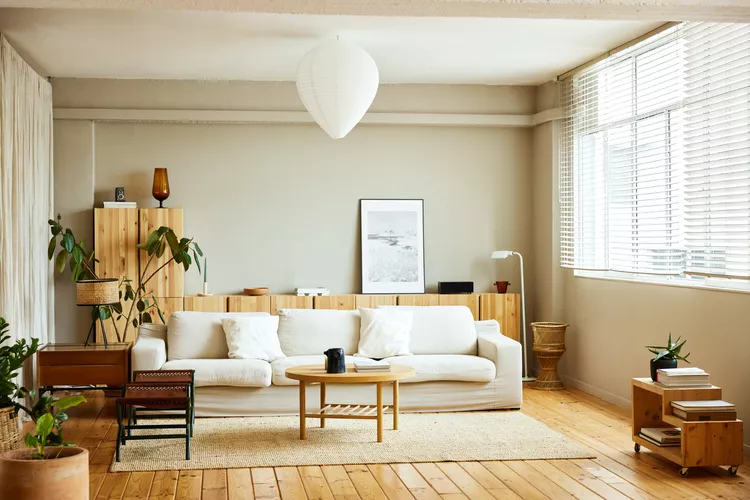
Walk into a home designed with minimalist principles, and you instantly feel a shift in atmosphere. The air feels lighter, the visual noise drops to a hum, and your attention is naturally drawn to a few beautifully curated elements rather than a chaotic sea of objects.
But achieving that state of environmental clarity isn't about throwing everything you own into a dumpster over a single, exhausting weekend. True minimalism isn't a state of lack; it is a state of intentional abundance. It means ensuring that every square foot of your home is working in harmony with your daily life.
When your space becomes an unorganized catch-all for trends, impulse purchases, and historical sentiment, it transitions from a sanctuary into a source of cognitive friction. Managing an overcrowded home requires a systemic shift in how you evaluate, store, and invite objects into your environment.
The Master Strategy: Framework Over Friction
The single most common reason decluttering attempts fail is a lack of architectural execution. Standing in the middle of a disorganized room and trying to resolve the chaos all at once triggers cognitive paralysis. The brain looks at thousands of micro-decisions simultaneously—Should I keep this? Where does this go? When did I last wear this?—and quickly exhausts its decision-making reserves.
To bypass this mental exhaustion, design and organization experts rely on a highly structured, localized framework. Instead of treating your home as a single, overwhelming project, you must deconstruct it into discrete, insulated operational zones. By containing your focus to a single drawer, a specific shelf, or a dedicated corner, you build the psychological momentum needed to sustain a long-term transformation.
The Step-by-Step Strategic Deconstruction
To execute a flawless home edit without succumbing to fatigue, adopt this structured, top-down deployment sequence.
Decluttering Methodologies: A Comparative Analysis
Different organizational frameworks yield varying results based on your personality type and living arrangements. The grid below evaluates the most effective rules utilized by minimalist designers to manage household density.
| Methodology | Core Operating Mechanism | Target Demographic | Spatial Impact |
| The 1-Year Utility Test | Expels any object that has not been actively utilized or worn within the past 365 days. | Pragmatists struggling with "just in case" hoarding tendencies. | High: Rapidly clears out redundant cookware, obsolete electronics, and forgotten wardrobe pieces. |
| The 2-for-1 Exchange Pledge | Requires donating or selling two existing household items before a single new non-essential object can be brought past the threshold. | Impulse shoppers looking to establish strict boundaries against incoming consumer goods. | Compounding: Actively shrinks the total volume of your household footprint over time. |
| The Joy-Centric Audit | Forces a tactile assessment of every item to determine if it sparks genuine internal delight. | Sentimental individuals who struggle with the cold, sterile logic of standard utility rules. | Transformative: Shifts the home's atmosphere from a storage locker to a collection of beloved items. |
| The Tri-Option Wardrobe Test | Prohibits the purchase of any new clothing item unless you can instantly map out three distinct ways or events to wear it. | Fashion enthusiasts looking to streamline their closets down to highly versatile capsules. | Moderate to High: Dramatically reduces wardrobe clutter while optimizing daily styling options. |
Smart Architectural Integration & Storage Systems
An elegant, minimalist aesthetic depends heavily on what happens behind closed doors. You cannot achieve visual tranquility in your living spaces if your closets, drawers, and under-bed voids are packed to the point of structural failure. True organizational design leverages smart hidden infrastructure to maximize space efficiency.
Maximizing Vertical and Concealed Real Estate
Every home contains massive amounts of unutilized volume that can be claimed with the right storage components. The dead space beneath bed frames is a prime example. By deploying low-profile, structured storage bins equipped with adjustable internal dividers, you create an ideal ecosystem for bulky items like spare duvets, heavy winter blankets, and guest linens.
To maximize these zones further, pair them with heavy-duty vacuum sealing bags. Compressing out the ambient air reduces the physical volume of winter coats and comforters by up to 75%, allowing you to fit an entire season's wardrobe into a tiny footprint.
Closet Engineering: Uniformity and Division
Inside your active closets, the tools you choose dictate the physical capacity of the space. Ditch mismatched, bulky plastic or wood hangers, which consume unnecessary horizontal rod space and cause garments to sit at irregular heights.
Switching exclusively to ultra-slimline hangers creates immediate uniformity. Their thin profiles allow you to fit up to 30% more clothing on the exact same rod while ensuring all garments hang at an identical visual baseline, instantly calming the eye.
Furthermore, expand this internal discipline to your dresser and kitchen drawers by integrating rigid grid dividers. Forcing every sock, utensil, or folded shirt to occupy a dedicated, bordered cell prevents items from shifting, overlapping, and descending back into chaos.
Deconstructing the Sterile Myth: Color & Texture as Decor
A common misconception stops many people from embracing a minimalist home edit: the fear of cold, clinical sterility. Many assume that adopting minimalist principles forces you to paint every wall a blinding hospital white, remove all color, and strip away personality until the home feels uninhabitable.
In reality, elite interior designers look at minimalism through the lens of editing out distraction to amplify beauty. You do not have to abandon your love of rich color or dynamic visual interest to maintain a clutter-free, highly organized environment. The secret lies in substituting a high volume of small, cheap knick-knacks with high-quality, purposeful design selections.
The Power of Intentional Palettes
Instead of littering your countertops, side tables, and floating shelves with dozens of tiny picture frames, small candles, and mass-produced decorative figurines—which act as visual speed bumps and dust traps—focus on creating architectural impact through purposeful color blocks.
A beautifully curated living space can comfortably feature a rich, vibrant olive green sofa set against a bold, warm yellow accent wall, provided the surrounding lines remain clean and geometric. The color itself becomes the art piece, completely eliminating the need to hang dozens of busy, distracting frames on the wall to fill the void.
Replacing Objects with Tactile Depth
If you remove the excessive decorative accents from a room, how do you keep it from feeling empty and uninviting? You shift your design strategy from quantity of objects to quality of textures.
Instead of adding another physical item to a room, layer in diverse, high-quality tactile materials that naturally catch the light and add organic depth. Consider these high-impact substitutions:
-
Swap out a busy gallery wall for a single, deeply textured plush wool area rug.
-
Replace cheap plastic blinds with floor-to-ceiling heavy linen curtains that pool gently on the floor.
-
Trade a cluttered coffee table for a beautifully crafted, smooth solid-wood bench that showcases natural grain patterns.
These architectural elements provide immense visual warmth, sophistication, and character without occupying a single inch of functional space or contributing to the mental weight of household clutter.
The Longevity Blueprint: Maintaining the Edit
Decluttering is not a finite project with a clear end date; it is an ongoing lifestyle practice. The consumer world is constantly trying to push new objects into your private sanctuary. To protect your investment of time and energy, you must establish defensive habits at your front door.
Every time you are tempted to purchase an accent piece, a kitchen tool, or a new piece of apparel, pause and recall your framework. Remember that every item you bring home carries an invisible tax: the time required to clean it, the space required to store it, and the mental energy required to manage it. By prioritizing quality over quantity, investing in multi-purpose furniture assets, and maintaining strict rules regarding household influx, you ensure your home remains a peaceful, ordered refuge for years to come.