

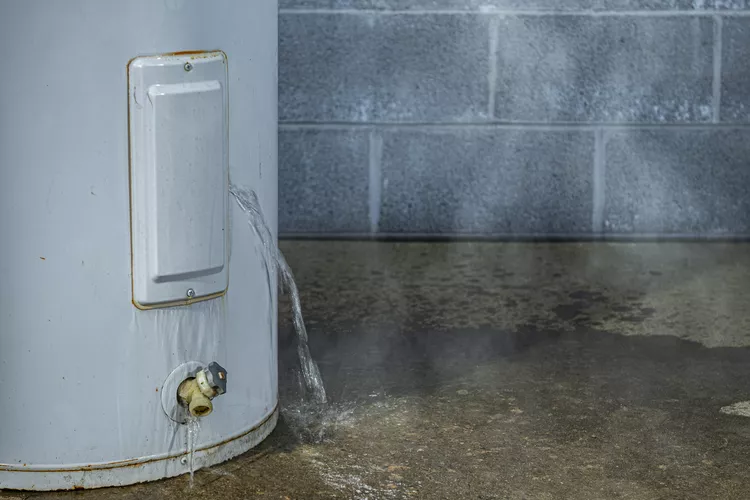
Water heaters are important household appliances that can face several issues such as not producing hot water, leaking, or making unusual noises.Many of these problems can often be fixed with simple fixes like resetting a switch or removing dirt buildup.Here are some helpful solutions to common water heater problems so you can handle them at home with confidence.
Power Supply: Check if the circuit breaker has tripped.
Heating Element: Determine if the heating element has failed.
Thermostat: Ensure the thermostat is not set to an extremely high temperature.
Leaky Valves: Inspect for leaks in the plumbing connections.
Before beginning any repair, it is important to turn off the power to the water heater by switching off the circuit breaker in the electrical service panel.
Use a non-contact voltage tester to confirm that the power is off before proceeding.
Water Heater Not Heating
A water heater that is not heating may not be receiving electricity, or it may have a tripped limit switch.
It is also possible that one or both of the heating elements have failed.
Check the circuit breaker for the water heater in the service panel to confirm it hasn't tripped.
If it has, move it to the OFF position and then back to ON.If the breaker did not trip, reset the high-temperature limit switch on the heater.To do this, turn off the power to the heater, remove the access panel, and press the red reset button.
Inadequate Hot Water
If the water from your shower is not hot enough, even if the volume is sufficient, it may be caused by a failed heating element.
In such cases, it is not recommended to attempt a DIY repair.Instead, contact a professional to replace the heating elements or the entire water heater.
If the water is warm but the volume is normal, the issue may be due to sediment buildup inside the tank.
To resolve this, drain the water heater completely, remove all the sediment, and refill it.
Water Is Too Hot
If the water is too hot, it could be due to the thermostat being set too high.
Follow these steps to adjust the temperature:
Turn off the power to the water heater in the service panel.
Then remove the access panel.Check that the heat setting on both thermostats is set to no more than 120 degrees Fahrenheit.Make any necessary adjustments using a flathead screwdriver.Replace the access panel and turn the power back on.
Hot Water Leaking
Leaks from a water heater are often due to faulty valves or loose plumbing connections.
If the water you touch is warm or hot, it's likely due to a leak from the outlet pipe.
Inspect the inlet and outlet pipes for looseness.
If any connections are loose, use a wrench to tighten them and stop the leak.
Rusty or Smelly Water
If the water coming from your faucets is brown, yellow, or red, it may indicate internal corrosion of the water heater tank.
A foul odor, like that of rotten eggs, could mean the tank has bacteria.
A corroded anode rod inside the water heater tank can be replaced by a plumber.
An anode rod is a metal rod placed in the center of the tank that attracts corrosive elements to protect the tank from rust.
Noisy Tank
Noises from the water heater, such as rumbling, popping, or high-pitched whining, may indicate that sediment has built up at the bottom of the tank, causing the water to boil.
To fix a noisy tank:
Turn off the power and water supply to the heater.
Attach one end of a garden hose to the drain valve at the bottom of the heater and run the other end outside.Open the temperature and pressure relief valve at the top and the drain valve at the bottom.Allow all the water and sediment to drain completely.Close both valves, remove the hose, and then turn the power and water back on.
Inlet Leaking
If water is pooling at the top of the heater, it might be due to a leak from the cold water inlet.
This inlet is located at the top of the heater.Tightening the connection should stop the leakage.
Turn off the water supply to the heater.
Use a wrench to tighten the inlet connection clockwise.Turn the water supply back on.Dry the top of the heater and check for any further leaks.
Damaged Pressure Relief Valve
The temperature and pressure (T&P) valve on the side of the water heater is a safety device.
If this valve is leaking, it can often be replaced by following these steps:
Turn off the electricity and cold water supply to the water heater.
Drain the water and pressure by opening the valve and placing a bucket below the relief valve.Unscrew the pressure relief valve with a pipe wrench.Install the new valve using Teflon plumber's tape.Attach the plastic relief valve drain pipe and ensure everything is secure.
Sides Are Leaking
If the water heater is leaking from the sides, it may indicate a problem with the tank itself.
In such cases, it is best to consult a professional plumber for repair or replacement.