

THE ULTIMATE GUIDE TO PLANNING AND GROWING A KITCHEN GARDEN
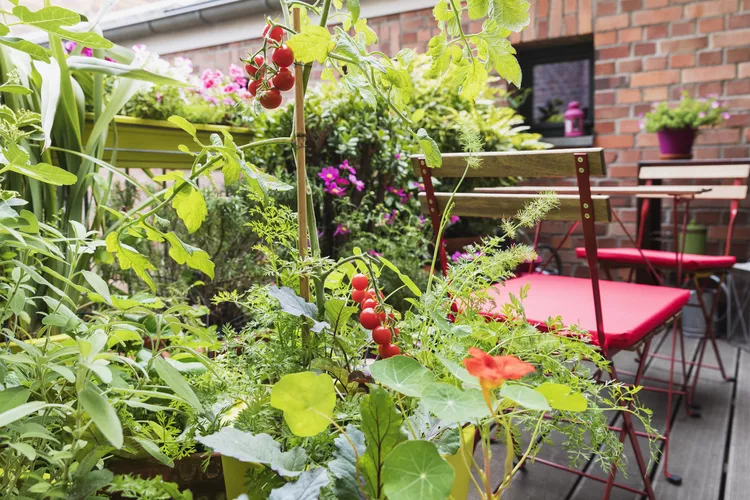
Imagine stepping just a few feet outside your kitchen door to pluck a handful of aromatic basil for a homemade pizza, or tossing freshly snipped green onions directly over a morning quiche. Starting a kitchen garden lets you skip those frantic, last-minute runs to the grocery store while injecting vibrant flavor into your daily cooking. Unlike expansive traditional vegetable plots, a kitchen garden focuses purely on the functional, small-scale cultivation of fresh herbs and essential culinary greens designed for immediate kitchen use.
Expert horticulturist Annette Hird from Easy Urban Gardens points out that this approach is remarkably straightforward to implement. In fact, regular kitchen harvesting naturally manages plant growth, resulting in a low-maintenance setup that can be as simple as a single potted container resting on a sunny windowsill or deck.
Here is a comprehensive strategy to plan, establish, and maintain a thriving, year-round kitchen harvest space.
STRATEGIC PLANNING AND SITE SELECTION
The key to a successful kitchen garden layout comes down to convenience, environmental conditions, and available space. The primary objective is to select a highly accessible, bright location close to your cooking space. Early spring generally serves as the ultimate starting window to plant, though timelines fluctuate based on specific plant choices.
When evaluating your space, map out your setup around three main pillars:
-
Proximity: Keep it close enough to your door that gathering ingredients while a sauce simmers is effortless.
-
Sunlight exposure: Ensure the spot receives adequate light requirements for your target crops.
-
Companion groupings: Position mutually beneficial plants together to optimize growth and deter pests naturally.
SOIL HEALTH AND WEATHER REALITIES
Your local climate zone dictates your seasonal planting calendar. Fortunately, you do not have to limit production to the warm summer months. Selecting frost-hardy herbs and resilient greens allows the kitchen garden to continue producing food straight through the winter season.
For setups utilizing direct in-ground planting, conducting a baseline soil test is a smart first step. Knowing whether your dirt leans acidic, alkaline, or neutral enables you to apply highly targeted organic amendments. When in doubt, mixing in a healthy top layer of premium compost is a universal remedy that introduces critical nutrients and improves overall soil structure.
RAISED BEDS VS. CONTAINERS: CHOOSE YOUR VESSEL
Kitchen gardens fit wonderfully into in-ground plots, raised beds, or modular containers. In-ground areas require less frequent watering because the earth naturally retains deeper moisture reserves, but this approach depends entirely on having high-quality native soil.
If your native soil is poor, raised beds and containers grant you total control over the growing medium. Choosing between the two options generally comes down to your desired yield and daily maintenance capacity.
Annette Hird notes that your physical layout restricts or expands your variety options. While a generous raised bed easily houses a diverse mix of multiple varieties, a standard twelve-inch pot generally limits you to a modest handful of select plants.
Consider these physical operational tradeoffs:
-
Moisture control: Small pots and raised beds dry out far faster than the open ground. Expect to water daily during peak summer heatwaves. In mild winters, you can safely scale back watering to whenever the top few inches of soil dry out.
-
Physical ergonomics: If you struggle with bending down or experience back discomfort, choosing elevated containers or tall raised beds brings the garden up to a comfortable waist height, making physical care simple.
SELECTING YOUR CULINARY CROPS
The golden rule of kitchen gardening is straightforward: grow exactly what you love to eat. Look at the items you consistently purchase at local markets or the herbs you constantly reach for while standing over the stove.
Hird recommends launching your journey with foundational herbs that adapt beautifully to small setups. Excellent starting choices include parsley, marjoram, thyme, oregano, basil, chives, and cilantro.
If you wish to expand into nutritious leafy greens, loose-leaf lettuce, spinach, kale, and Swiss chard offer high visual yields. For sunny summer spots, you can confidently introduce highly rewarding vertical options like compact tomatoes, cucumbers, and climbing green beans.
DAILY UPKEEP AND SEASONAL CARE
Maintaining a compact kitchen plot takes significantly less effort than managing a sprawling traditional farm bed. While climbing vines or heavy tomato stems will require supportive staking as they bear fruit, standard herbs that face constant culinary clipping rarely require formal pruning.
Nutrient management remains vital for an abundant harvest. Hird advises establishing a routine feeding schedule using one of two primary strategies:
-
Slow-release fertilizer granules: These pellets offer maximum convenience, requiring replenishment only once every four to six months.
-
Liquid fertilizer concentrates: Mixed directly with your watering can, liquid food should be applied every two weeks during the active summer stretch, and dialed back to once a month over the quiet winter cycle.
As winter approaches, you can prolong your harvest by shielding sensitive plants from harsh snow and frost. Hird suggests utilizing protective cold frames, setting up small greenhouse structures, or simply repotting delicate varieties to bring them indoors as temporary houseplants. Interestingly, leaving cold-hardy varieties like kale exposed to light frost actually triggers a natural sugar defense mechanism, making the leaves taste noticeably sweeter.
NATURAL PEST DEFENSE
Edible plots naturally attract hungry neighborhood critters and insects. You can safeguard your hard work using clean, organic strategies:
-
Physical exclusion: Install dedicated wire mesh fencing to block rabbits, ensuring the structure stands at least six feet tall if deer frequent your area.
-
Visual and biological distractions: Intersperse protective companion flowers like marigolds among your greens. These bright blooms act as natural trap crops, pulling destructive insects like aphids away from your prized kitchen ingredients.
-
Clean organic sprays: Apply cold-pressed neem oil or mild organic insecticidal soaps to disrupt troublesome insect colonies without leaving dangerous chemical residues on your dinner ingredients.